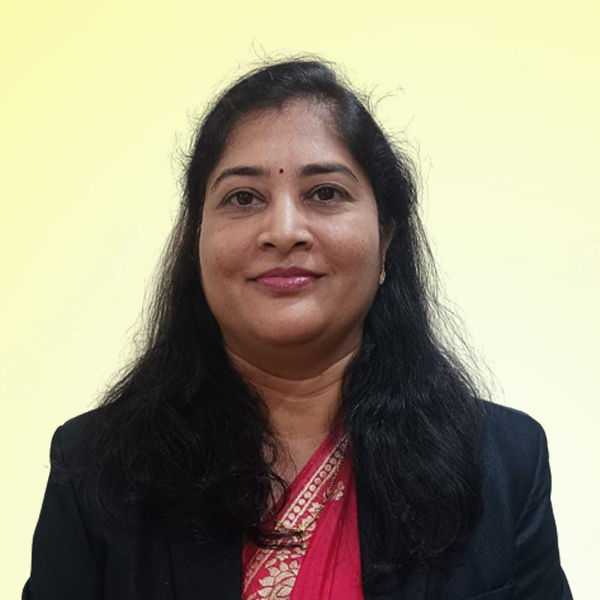
Dr. Mamta Takarkhede
Head, Basic Sciences and Humanities Department
Ph.D (Physics)
hod.ge@tgpcet.com
Welcome to the Department of Basic Sciences and Humanities. The department is laying a strong foundation for budding engineers through our determined and dedicated team of dynamic faculty members. The department enhances students' knowledge, critical thinking ability, understanding of technology, and analytical skills in modern society.
The Department of Basic Sciences and Humanities plays a vital role in an engineering college by establishing a strong foundation of basic principles such as Mathematics, Physics, Chemistry, and Communication Skills in the minds of learners. I am confident that the students of the department will demonstrate the department's credibility by exhibiting a high level of professional competence in their respective fields.
I wish the students the best of luck……………
Establishment in the year : 2007
Sanctioned Intake in session 24-25:
| Sr. No. | Branch | Intake |
|---|---|---|
1 |
Artificial Intelligence and Machine Learning |
150 |
2 |
Computer Science & Engineering |
180 |
3 |
Computer Science & Engineering (Data Science) |
150 |
4 |
Electrical Engineering |
150 |
5 |
Electronics and Telecommunication Engineering |
150 |
6 |
Aeronautical Engineering |
90 |
7 |
Mechanical Engineering |
120 |
8 |
Civil Engineering |
90 |
9 |
Biotechnology |
90 |
10 |
Information Technology |
150 |
NAAC Accreditation Status : Yes (NAAC A+ with 3.32 CGPA)
The Department of Basic Sciences and Humanities was established in 2007 with a current year intake of 1,020 students. The Basic Science Department plays a pivotal role in providing a strong foundation for engineering students.
The department imparts essential knowledge in subjects like mathematics, physics, chemistry, and communication for comprehensive student development. This forms the cornerstone for various engineering disciplines.
The Department has its own departmental library with a comprehensive collection of books to serve as a ready source of information. It comprises a team of experienced and well-qualified faculty members who have a passion for teaching and provide high-quality instruction, helping students build a strong academic foundation.
The Department focuses on interdisciplinary learning, which bridges the gap between science and engineering, fostering innovative thinking among students. This approach is vital for solving complex real-world engineering problems.
Basic science courses emphasize critical thinking and problem-solving skills, which are highly transferable to engineering tasks. Studying the fundamentals of science can inspire creativity in engineering students, encouraging innovative solutions to engineering challenges.
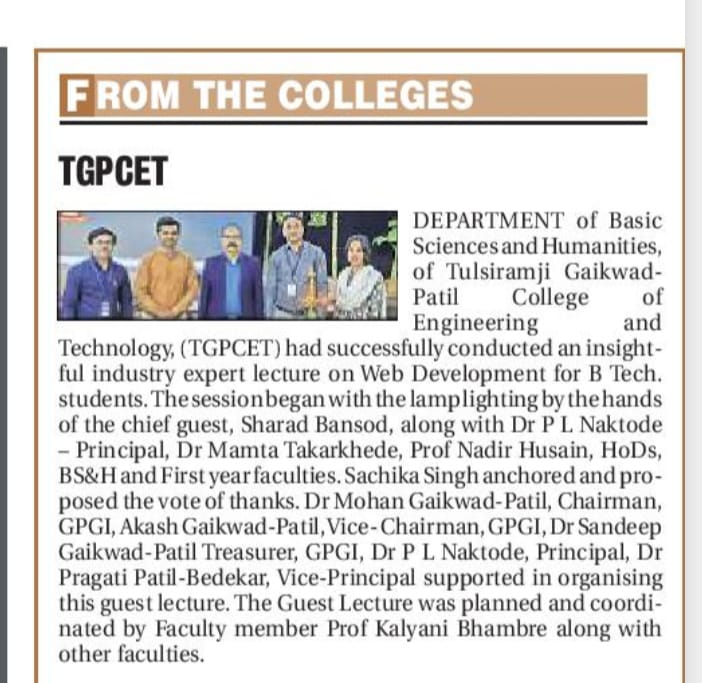
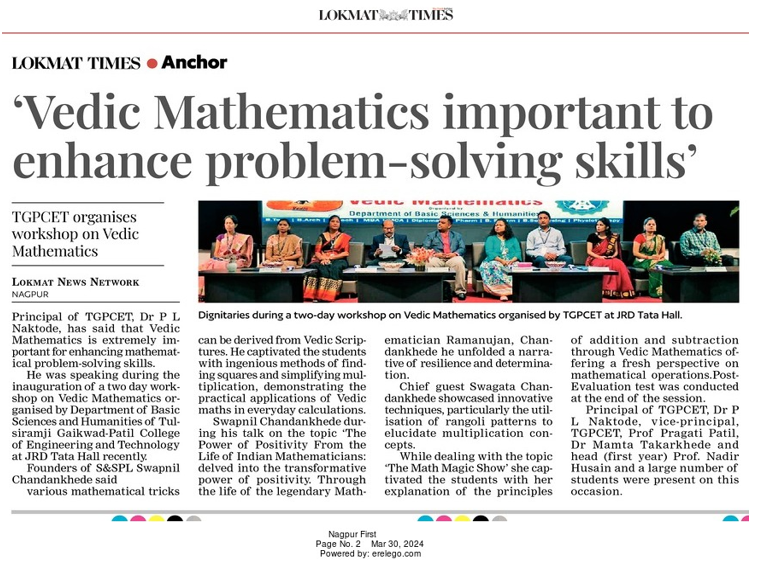
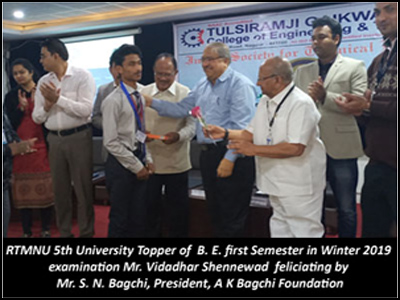
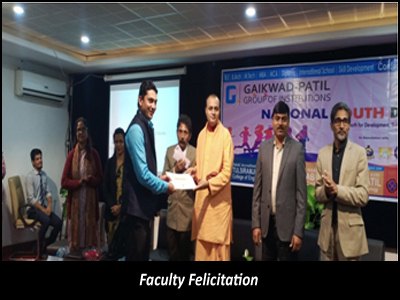
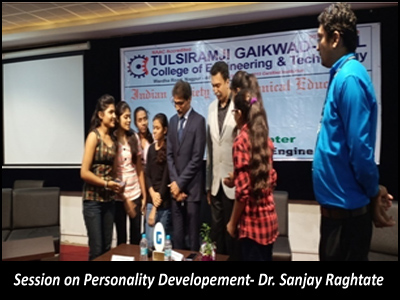
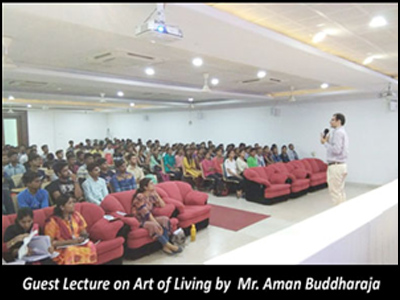
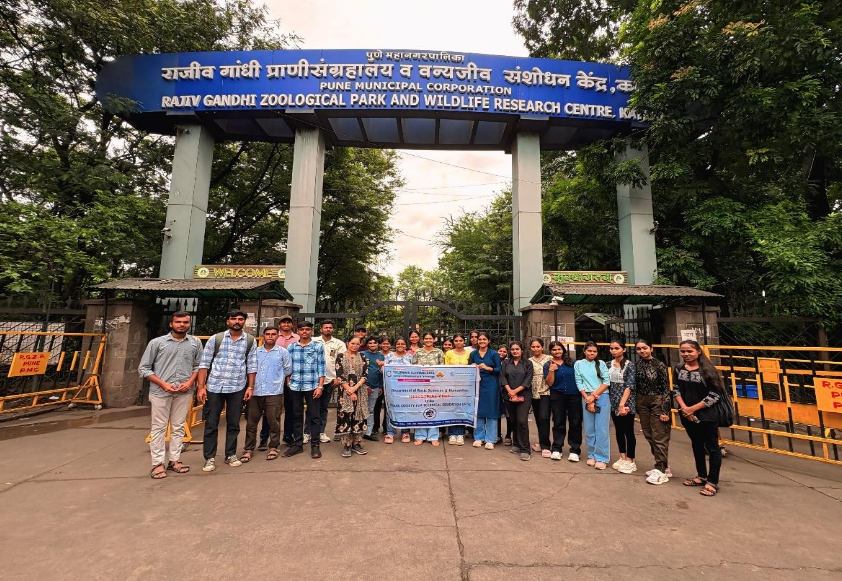
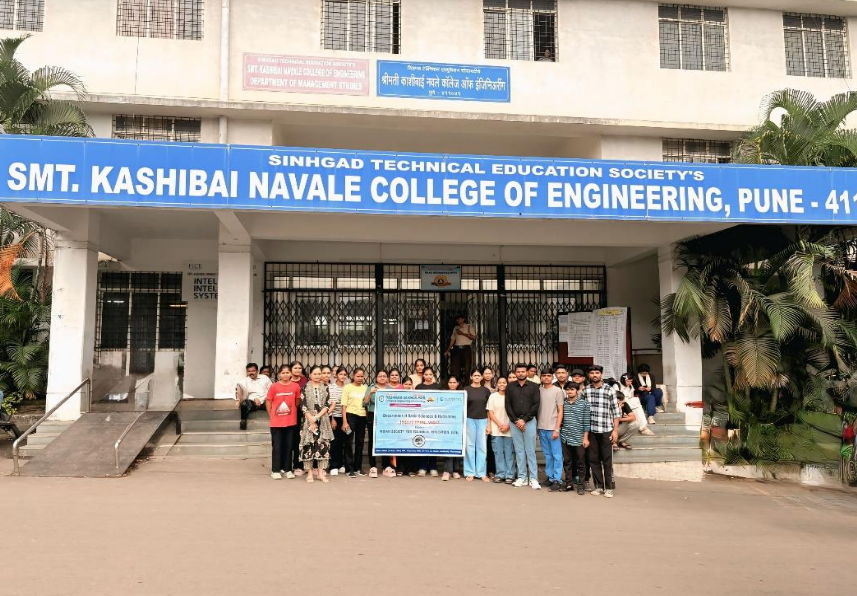
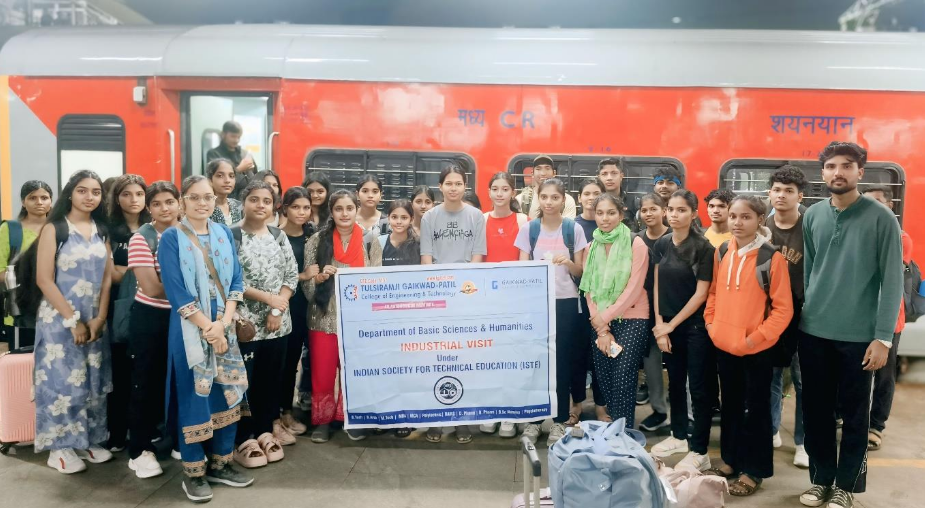
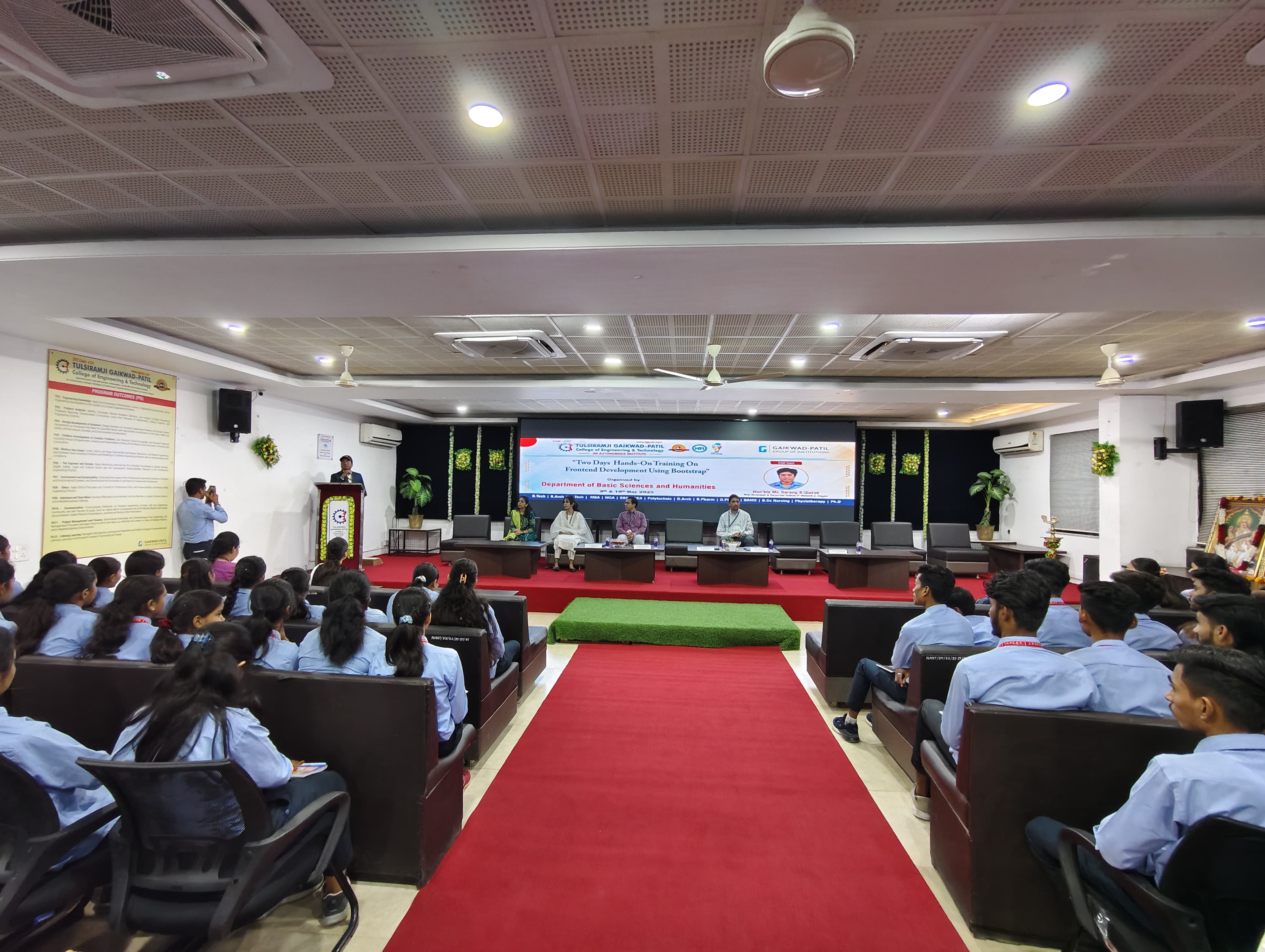
The department organizes industrial visits and expert lectures on emerging trends, featuring eminent personalities from industry and academia.
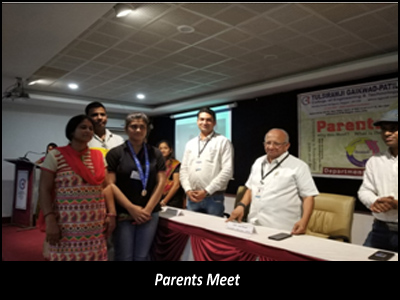
To establish a link between students and parents, the department has implemented a Mentor-Mentee scheme. Teachers act as mentors, guides, and philosophers who interact constantly with students. This academic family approach helps address students' educational, socio-economic, health-related, and personal challenges, providing comprehensive support and guidance.
| Sr. No. | Name of Faculty | Qualification | Designation | Date of Joining |
|---|---|---|---|---|
| Dr. Geeta Padole-Gaikwad | Ph.D (Chemistry) | Professor | 25-Jul-07 | |
| Prof. Nadir Husain | M.Sc (Chemistry), Ph.D* | Asst. Prof. | 21-Aug-12 | |
| Dr. Mamta Takharkhede | Ph.D (Physics) | Asso. Prof. | 01-Feb-23 | |
| Prof. Pranjali Lute | M.Sc (Mathematics) | Asst. Prof. | 30-Apr-14 | |
| Prof. Rahul Ghotkar | M.Tech (CAD/CAM) | Asst. Prof. | 02-Jan-19 | |
| Prof. Rahul Khobragade | M.Tech (MED) | Asst. Prof. | 12-Jul-16 | |
| Prof. Rahul Ingle | M.Sc. (Physics) | Asst. Prof. | 09-Sep-19 | |
| Prof. Nageshwari Sarade | M.Sc (Chemistry) | Asst. Prof. | 28-Dec-16 | |
| Prof. Priyal Wankhede | M.Sc. (Maths) | Asst. Prof. | 18-Nov-22 | |
| Dr. Kanchan Gopal | M.A.(English) | Asst. Prof. | 01-Jul-23 | |
| Prof. Amishsa Malviya | M.Tech (CAD/CAM) | Asst. Prof. | 01-Jul-23 | |
| Prof. Nikita Bante | B.E. (CSE) | Asst. Prof. | 21-Nov-23 | |
| Prof. Sakshi Rahangdale | B.E. (CSE) | Teaching Assistant | 17-Feb-24 | |
| Prof. Pallavi Bansod | B.E. (CSE) | Teaching Assistant | 01-Apr-24 | |
| Dr. Punam Lambat | Ph.D (Maths) 2024 | Asst. Prof. | 15-Jun-24 | |
| Prof. Hirkanya Bhole | M.Sc ( Chemitry) 2023 | Asst. Prof. | 15-Jun-24 | |
| Prof. Ruchika Raut | M.Sc. (Physics) | Asst. Prof. | 25-Sep-24 | |
| Prof. Ashwini Meshram | B.E. (ETRX) M.E. (ECE) | Asst. Prof. | 11-Oct-24 | |
| Prof. Nilesh Verma | B.Com | Soft Skill Trainer | 27-Feb-25 | |
| Prof. Sushma K.Barewar | B.Sc,M.Sc. (Chemistery) | Asst. Prof. | 02-Jun-25 | |
| Prof. Aniket Patil | B.E. (EE) | Teaching Assistant | 02-Jun-25 | |
| Prof. Aachal Akre | BCA,MCA | Asst. Prof. | 02-Jun-25 | |
| Prof. Vaishnavi Bakal | B.Sc. (CS), M.Sc (CS), Ph.D * (Solapur) | Asst. Prof. | 09-Jun-25 | |
| Prof. Prajakta Jungahre (Helonde) | B.E (CSE) , M.Terch (CSE) | Asst. Prof. | 09-Jun-25 | |
| Prof. Rajan Mankar | M.Sc. (Physics) | Asst. Prof. | 02-May-25 | |
| Prof. Priyanka Marghade | B.E. (ECE), M.Tech (ETRX) | Asst. Prof. | 14-Jul-25 | |
| Prof. Megha Dekate | B.Sc., M.Sc.(Maths) | Asst. Prof. | 01-Aug-25 | |
| Prof. Disha Pulojwar | B.Tech (Hotel Mgt.), MHM | Asst. Prof. | 01-Aug-25 | |
| Prof. Adarsh Sathe | B.Sc.(CS), MCA | Asst. Prof. | 04-Aug-25 | |
| Prof. Vedant Lekurwale | B.Sc. , MBA | Asst. Prof. | 05-Aug-25 | |
| Prof. Dipika Nikhare | M.Sc. (Chemitry) | Asst. Prof. | 10-Sep-25 | |
| Prof. Rucha Patil | B.E. (EE) | Teaching Assistant | 11-Sep-25 | |
| Prof. Zubair Aslam | M.Sc (Physics), Ph.D* | Asst. Prof. | 25-Sep-25 | |
| Prof. Nikhil Barapatre | BCA, M.C.A. | Asst. Prof. | 26-Sep-25 | |
| Dr. Madhumita Patar | M.Sc. Ph.D (Chemitry) | Asst. Prof. | 26-Sep-25 | |
| Prof. Nishikant Kale | M.A. (Eng.) | Asst. Prof. | 29-Sep-25 | |
| Prof. Vaishnavi Nawale | MBA | Asst. Prof. | 29-Sep-25 | |
| Prof. Shruti Meshram | B.E.(ETC), M.Tech (ECE) | Asst. Prof. | 06-Oct-25 | |
| Prof. Pradnya Bhagat | M.A. (English) | Asst. Prof. | 27-Jan-24 |
Vision
To Emerge as a Learning Centre of Excellence in the National Ethos in Domains of Science, Technology and Management
Mission
↪ To strive for rearing Standard and Stature of the Students by practicing high Standards of Professional Ethics, Transparency, and Accountability.
↪ To provide Facilities and Services to meet the Challenges of Industry and Society.
↪ To facilitate Socially Responsive Research, Innovation, and Entrepreneurship.
↪ To ascertain Holistic Development of Students and Staff Members by inculcating Knowledge and Profession as Work Practices.
| Engineering knowledge: | Apply the knowledge of mathematics, science, engineering fundamentals, and an engineering specialization to the solution of complex engineering problems. |
| Problem analysis: | Identify, formulate, review research literature, and analyze complex engineering problems reaching substantiated conclusions using first principles of mathematics, natural sciences, and engineering sciences. |
| Design/development of solutions: | Design solutions for complex engineering problems and design system components or processes that meet the specified needs with appropriate consideration for the public health and safety, and the cultural, societal, and environmental considerations. |
| Conduct investigations of complex problems: | Use research based knowledge and research methods including design of experiments, analysis and interpretation of data, and synthesis of the information to provide valid conclusions. |
| Modern tool usage: | Create, select, and apply appropriate techniques, resources, and modern engineering and software tools including prediction and modeling to complex engineering activities with an understanding of the limitations. |
| The engineer and society: | Apply reasoning informed by the contextual knowledge to assess societal, health, safety, legal and cultural issues and the consequent responsibilities relevant to the professional engineering practice. |
| Environment and sustainability: | Understand the impact of the professional engineering solutions in societal and environmental contexts, and demonstrate the knowledge of, and need for sustainable development. |
| Ethics: | Apply ethical principles and commit to professional ethics and responsibilities and norms of the engineering practice. |
| Individual and team work: | Function effectively as an individual, and as a member or leader in diverse teams, and in multidisciplinary settings. |
| Communication: | Communicate effectively on complex engineering activities with the engineering community and with society at large, such as, being able to comprehend and write effective reports and design documentation, make effective presentations, and give and receive clear instructions. |
| Project management and finance: | Demonstrate knowledge and understanding of the engineering and management principles and apply these to one’s own work, as a member and leader in a team, to manage projects and in multidisciplinary environments. |
| Life-long learning: | Recognize the need for, and have the preparation and ability to engage in independent and lifelong learning in the broadest context of technological change. |
Use of Smart Classroom:
Smart classrooms are equipped with the latest technologies and digital tools help to make teaching and learning better and more effective for teachers and students. This digital transformation enables teachers to prepare dynamic multimedia lessons while helping change students' outlook towards studies. Additionally, since learning takes place through integrated learning technologies, students become more effective learners, eventually improving their academic performance.
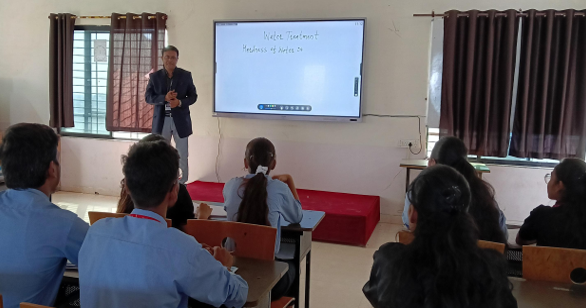
Class rooms with ICT facility –
The class room details are given in table
| Sr. No | Infrastructure | Quantity |
|---|---|---|
| 1 | Smart Class room | 01 |
| 2 | Class room | 13 |
| 3 | Seminar Hall | 01 |
| 4 | Tutorial Room | 02 |
| 5 | Departmental Library | 01 |
For ICT following teaching aids are being used by the department
→ PPT presentation based on the curriculum
→ NPTEL teaching materials
→ E books
→ Multimedia facility
| Sr. No | Name of the Laboratory | Name of the Major equipment |
|---|---|---|
| 1 | Chemical Process in Engineering -Lab |
→ Hot air Oven → Muffle Furnace → Digital Weighing Balance → Distillation Assembly → Bomb Calorimeter → Abel’s Flash Point Apparatus |
| 2 | Quantum Physics & Optics-Lab |
→ Cathod Ray Osciloscope |
| 3 | Principles of Electrical Engineering-Lab |
→ Digital Multimeter |
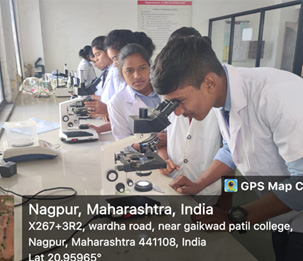
| 4 | Biotechnological Skill Lab |
→ Spector photo meter → PCR → Colling Incubator → Colling Centrifuge → Autoclave |
| 5 | Web Designing |
→Notepad++ |
| 6 | Communication for Personality |
→ DLM Impact Software → Headphones for listening |
| 7 | Computer Workshop Lab |
→ DLM Impact Software → Headphones for listening |
| 8 | CAD/CAM Lab |
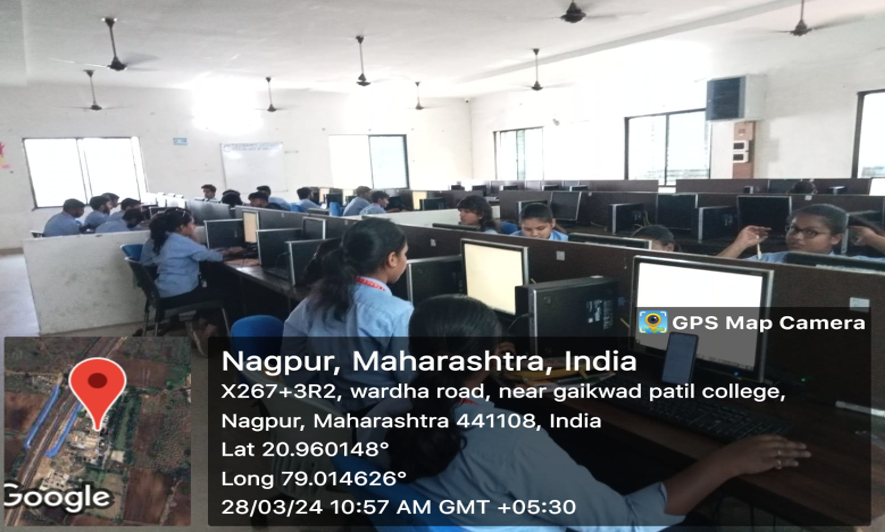
→ CPU → Monitor → LAN Cable |
| 9 | C Language Lab |
→ Turbo C → Dev C++ → Virtual Studio → VS Code |
| 10 | Workshop |
→ Lathe Machine → Welding Machine → CNC Machine → Shaper Machine |
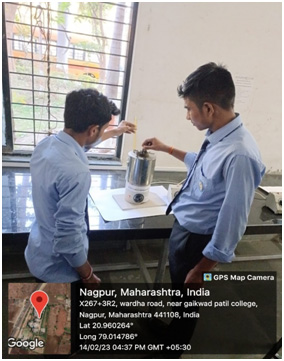
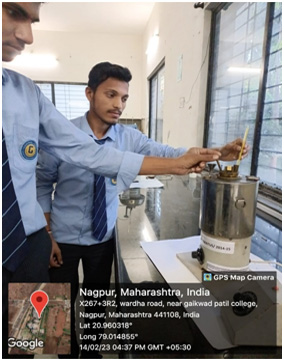
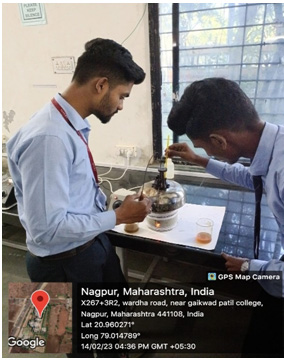
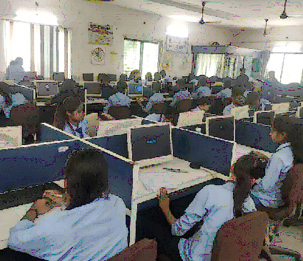
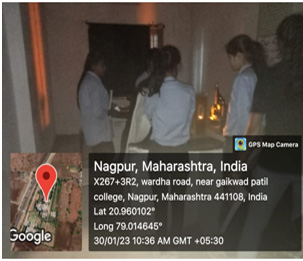
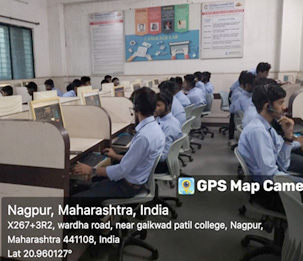
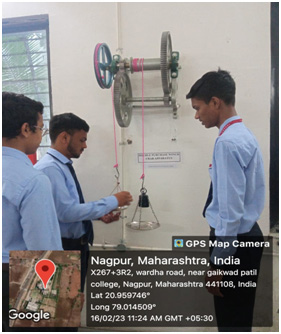
| Sr. No | Name of Subject | Name of Activites | Photos |
|---|---|---|---|
1 |
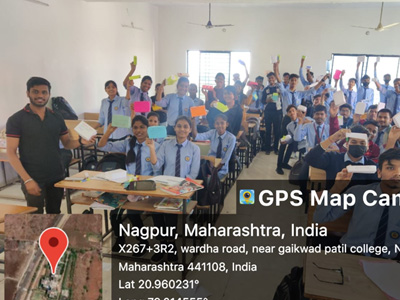
Algebra and Calculus |
Evaluate Daily Life Mathematical Problem by Using Matrix Method |
 |
2 |
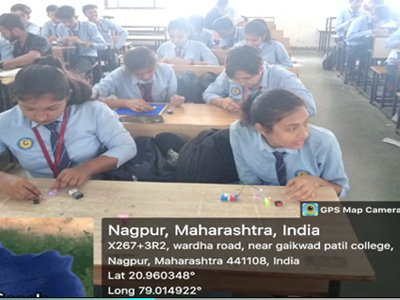
Quantum Physics & Optics |
Circuit Making Model of LED Light |
|
3 |
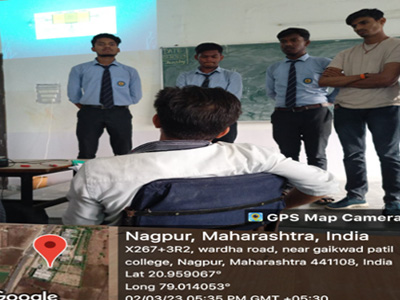
Principles of Electronics Engineering and Digital Circuits |
Student Presentation |
|
4 |
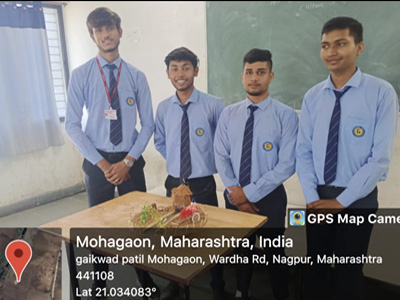
Introduction To Indian Knowledge System |
Indian Culture |
|
5 |
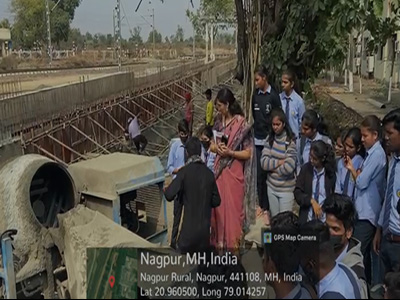
Material Chemistry |
Site Visit |
|
6 |
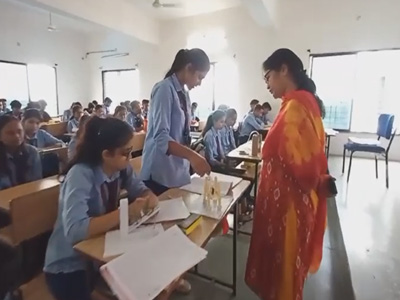
Engineering Mechanics |
Resolution and Composition Model |
|
7 |
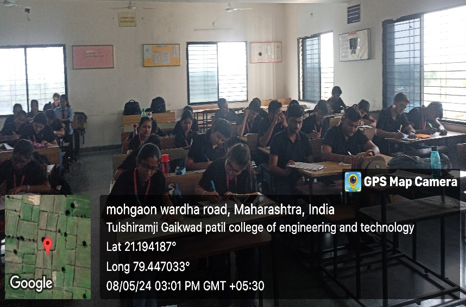
Programming problem solving using C |
Coding Based Puzzel Solving |
|
8 |
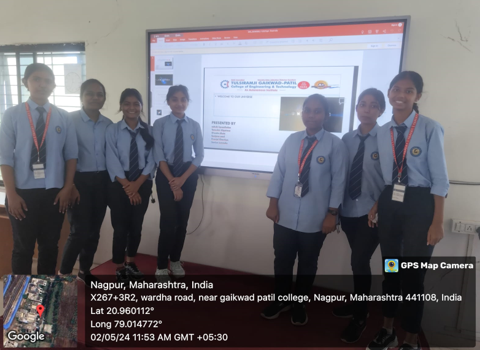
Logic Development and Programming Design |
Power Point Presentation |
|